
Direct Answer
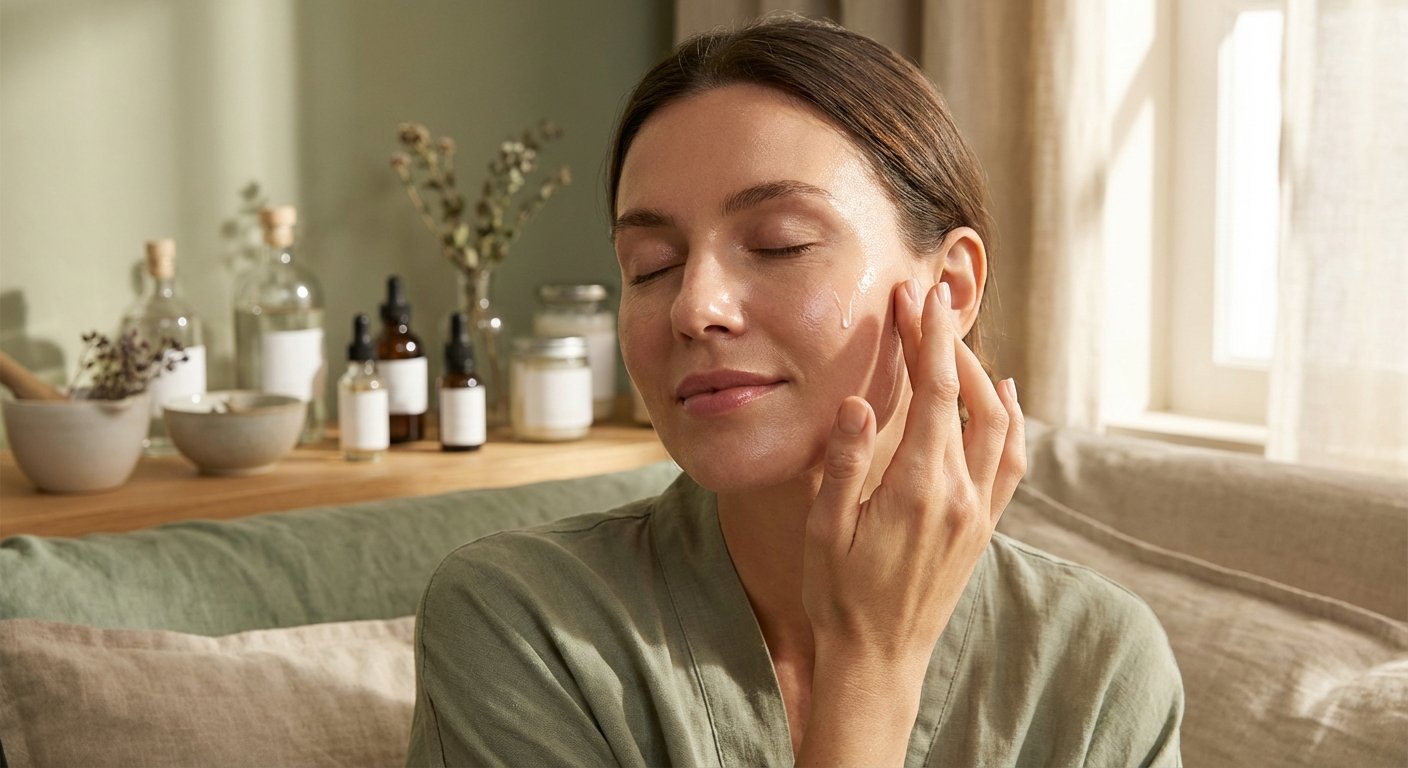
To directly address the question: is mineral oil in skincare safe? The overwhelming consensus from dermatologists, toxicologists, and global regulatory agencies is a resounding yes. Cosmetic-grade mineral oil is a highly refined, strictly regulated ingredient that has been completely stripped of the harmful impurities found in unrefined industrial petroleum. It acts as an inert, non-comedogenic occlusive agent that effectively seals in moisture, making it an exceptional treatment for severe dry skin, eczema, and compromised skin barriers. While persistent internet myths claim that it clogs pores or carries carcinogenic risks, extensive scientific evidence confirms that highly purified mineral oil does not penetrate the skin deeply, nor does it cause systemic toxicity [1]. When used topically in daily skincare routines, it remains one of the safest, most stable, and most effective moisturizing ingredients available in dermatology today.
(Android version coming soon)
Key Takeaways
- Strictly Regulated Purity: Cosmetic-grade mineral oil is subjected to a rigorous purification process, rendering it entirely free of carcinogenic polycyclic aromatic hydrocarbons (PAHs).
- Exceptional Hydration: It functions as a powerful occlusive moisturizer, trapping hydration in the stratum corneum and drastically reducing transepidermal water loss.
- Hypoallergenic Nature: Because it is chemically inert, it does not degrade easily and is exceptionally well-tolerated by sensitive, allergy-prone skin, and even newborns.
- Non-Comedogenic Status: Modern human clinical trials have definitively proven that cosmetic mineral oil does not clog pores, debunking decades-old myths based on flawed animal models.
- Scientifically Backed: Major regulatory bodies, including the FDA and European health authorities, universally approve highly refined mineral oil for safe use in topical cosmetic formulations.

Main Analysis
Want to check if your products contain hidden allergens or risky ingredients? Scan them instantly with the free MyGredient app.
Try MyGredient Free(Android coming soon)
What Is Mineral Oil in Skincare?
Mineral oil is a clear, odorless, and colorless liquid derived from petroleum. It has been a foundational ingredient in personal care products and cosmetics for over a century. On modern ingredient lists, you will frequently see it listed under nomenclature such as liquid paraffin, paraffinum liquidum, or white mineral oil [1]. Despite its long history of safe use, the ingredient frequently sparks confusion due to its origins in the petrochemical industry. However, the journey from raw crude oil to the pristine, lightweight liquid found in high-end face creams involves an exhaustive, highly specialized refinement process.
In dermatological formulations, mineral oil serves a very specific and vital function: it acts as an occlusive agent. To understand why this is important, one must look at how the skin maintains hydration. The outermost layer of the skin, the stratum corneum, acts as a barrier protecting the body from environmental stressors while retaining moisture [12]. When this barrier is compromised by harsh weather, aggressive cleansing, or genetic conditions like eczema, the skin experiences accelerated transepidermal water loss (TEWL). Mineral oil creates an impenetrable, hydrophobic seal on the surface of the skin, effectively locking water inside the epidermal layers and allowing the skin barrier to repair itself [10].
Is Mineral Oil In Skincare Safe?
When consumers begin researching cosmetic ingredients, the primary question they ask is: is mineral oil in skincare safe? According to the extensive toxicological data evaluated by global health authorities, the answer is unequivocally yes. The United States Food and Drug Administration (FDA) and the European Union’s cosmetic regulatory bodies have both extensively reviewed the safety profile of mineral oil and legally permit its widespread use [6]. The scientific consensus confirms that highly refined cosmetic-grade mineral oil poses absolutely no risk of systemic toxicity when applied topically [4].
If you want a faster way to double-check ingredient lists while you shop, download the MyGredient app and scan products in seconds.
One of the primary reasons mineral oil is considered so safe is its large molecular size. The molecules are simply too large to easily penetrate the human epidermis or enter the bloodstream [1]. Because it sits on top of the skin rather than absorbing into deep tissues, there is no biological mechanism for the oil to disrupt internal organ function or alter hormones. In fact, medical professionals frequently recommend mineral oil-based emollients for patients suffering from severe atopic dermatitis and psoriasis precisely because it is so safe and biologically inert [7]. Unlike many trendy botanical oils or essential oils, which contain hundreds of volatile compounds that can trigger allergic contact dermatitis, mineral oil is practically devoid of allergens [3]. For readers already trying to untangle broader ingredient-trigger patterns, it also helps to understand how hidden food allergy triggers can overlap with everyday exposure concerns.
The Difference Between Cosmetic and Industrial Grades
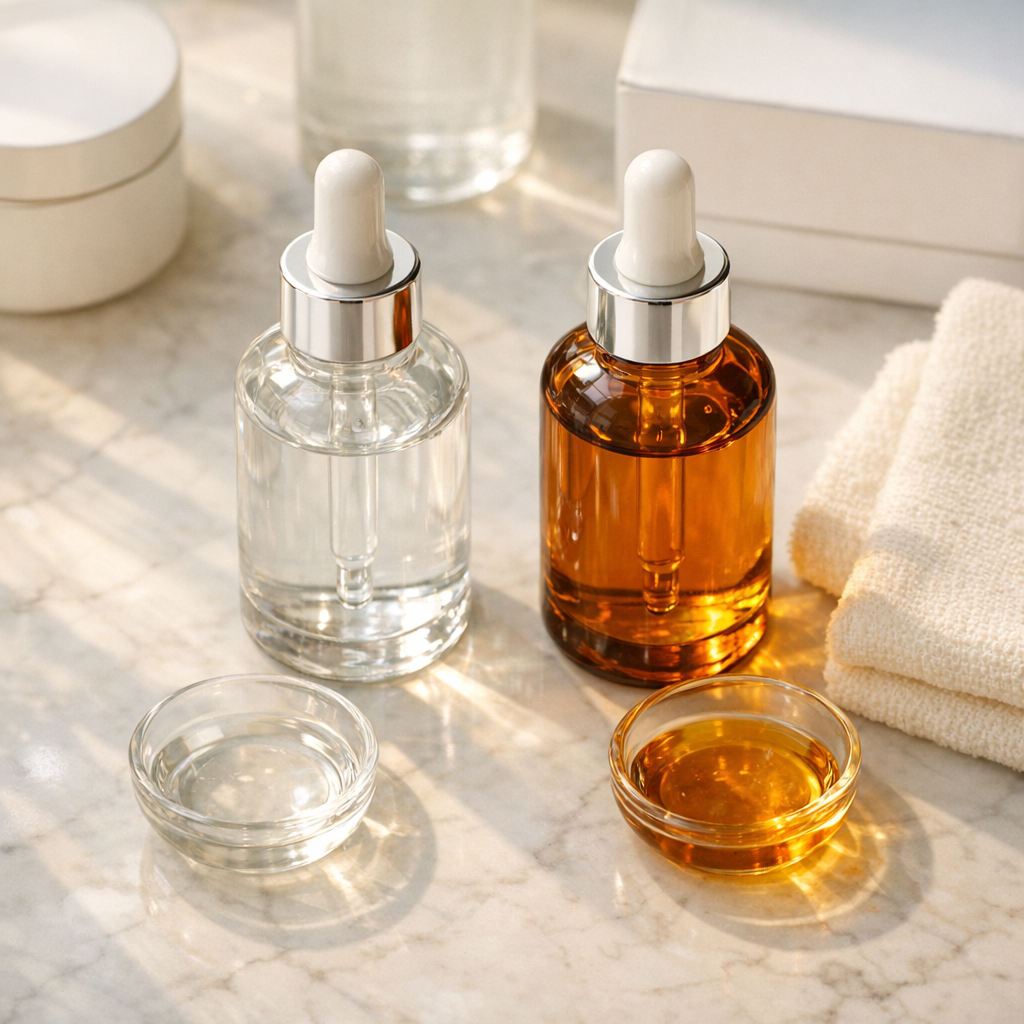
The root of the fearmongering surrounding mineral oil stems from a fundamental misunderstanding of chemical grading. It is a scientific fact that unrefined or mildly treated industrial mineral oils contain polycyclic aromatic hydrocarbons (PAHs), certain fractions of which are recognized by global health organizations as known human carcinogens [9]. However, equating industrial mechanical lubricants with cosmetic-grade mineral oil is a massive misrepresentation of cosmetic chemistry.
During the manufacturing of cosmetic-grade mineral oil, the raw material undergoes multiple stages of complex purification, including catalytic hydrotreatment and solvent extraction. This process meticulously separates and completely eliminates the dangerous Mineral Oil Aromatic Hydrocarbons (MOAH) – which contain the harmful PAHs – leaving behind only the safe Mineral Oil Saturated Hydrocarbons (MOSH) [5]. In the European Union, stringent safety regulations mandate that the entire refining history of any mineral oil used in cosmetics must be fully documented and proven to be completely free of carcinogenic substances before it can be legally sold [1]. Therefore, claims that standard facial moisturizers might cause cancer because they contain mineral oil are thoroughly unscientific and ignore the rigorous global toxicity testing frameworks established in the 21st century [11].
Does Mineral Oil Clog Pores? The Comedogenic Myth
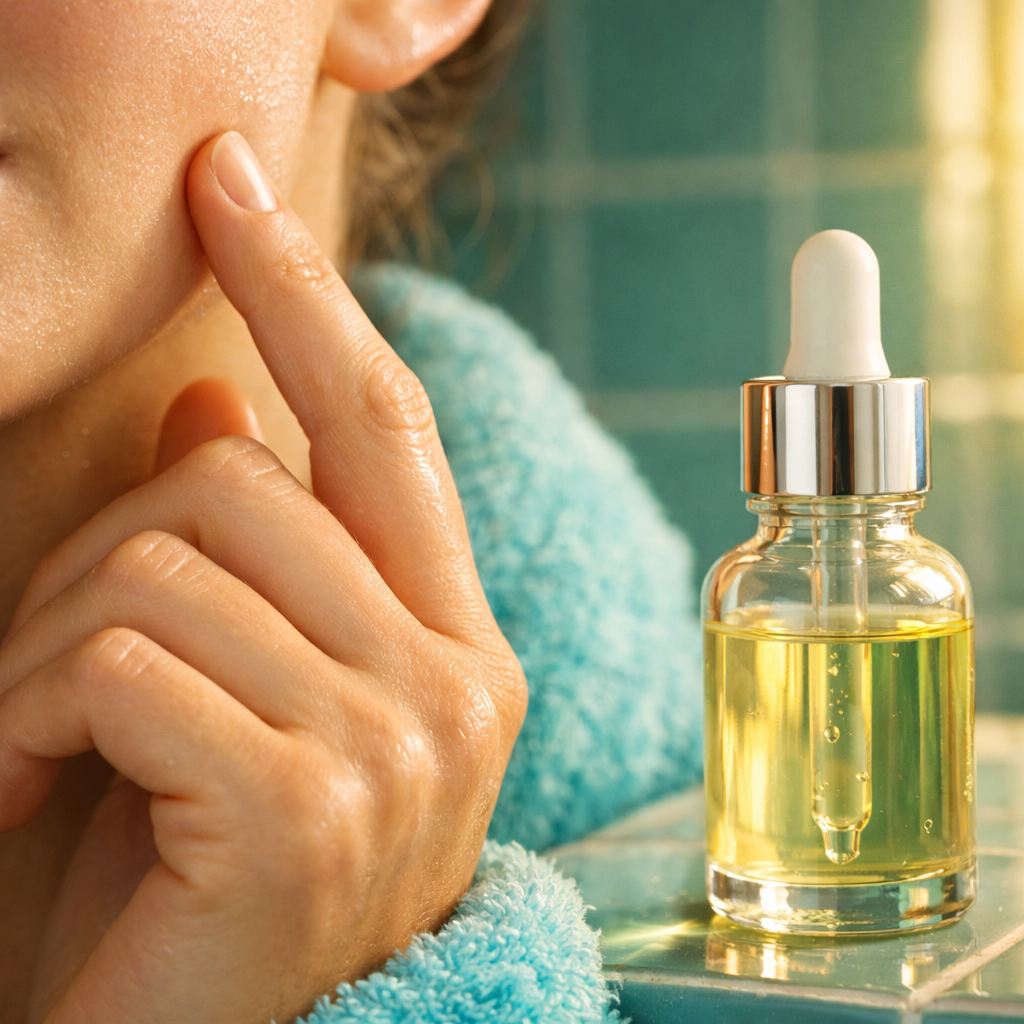
Another incredibly persistent myth is that mineral oil is heavily comedogenic – meaning it will inevitably suffocate the skin, clog pores, and cause severe acne breakouts. This belief actually traces back to outdated animal studies conducted in the 1970s. In these early toxicological assays, scientists applied concentrated ingredients to the inner ears of rabbits to measure comedogenicity. Rabbit ear skin is vastly more sensitive to follicular hyperkeratosis (pore clogging) than human facial skin, resulting in extreme false positives that unjustly ruined mineral oil’s reputation [2].
Modern dermatological studies, conducted using advanced measuring methods on human subjects, have conclusively debunked this myth. In human testing, pure cosmetic-grade mineral oil scores a zero on the standard comedogenicity scale [2]. It does not penetrate the pore lining, nor does it directly cause blackheads or whiteheads. However, because mineral oil is a highly efficient occlusive, it traps whatever is sitting underneath it. If a user applies a mineral oil product over unwashed skin, heavy makeup, or other known comedogenic ingredients, the oil will seal those irritants tightly against the skin, which can subsequently lead to a breakout. While individuals with extremely oily or naturally acne-prone skin might find the texture of mineral oil too heavy or greasy for their personal preference, the ingredient itself is not biologically capable of causing acne [8].
The Truth About Lip Balms and Incidental Ingestion
While the topical application of mineral oil is universally recognized as safe, regulatory scientists have closely examined the safety of incidental ingestion. This primarily concerns lip balms and lipsticks, which are naturally swallowed in minuscule amounts throughout the day [7]. Some consumer advocacy groups have raised alarms about the long-term accumulation of Mineral Oil Saturated Hydrocarbons (MOSH) in human tissues, specifically the liver and lymph nodes.
The European Food Safety Authority (EFSA) and the German Federal Institute for Risk Assessment (BfR) have conducted exhaustive evaluations regarding this specific exposure pathway [5]. Their toxicological assessments concluded that the highly purified, medium- and high-viscosity mineral oils utilized in cosmetic lip products do not present a health risk to consumers, even when ingested over many years. Industry trade associations strictly advise manufacturers to formulate lip products exclusively with mineral oil fractions that meet stringent food-grade purity standards [1]. Because the daily ingested dose from lip cosmetics falls drastically below the acceptable daily intake limits established for food additives, standard use of your favorite lip balm remains perfectly safe [4].
If you are comparing lip balms, moisturizers, or baby-care products, download the MyGredient app for a quicker ingredient check.
Reviewer / Medical Disclaimer: The information provided in this article is for educational and informational purposes only and does not constitute medical advice. While current scientific consensus confirms the safety of highly refined cosmetic mineral oil, individuals with specific skin conditions, petroleum allergies, or persistent dermatological issues should consult a board-certified dermatologist or healthcare provider before significantly altering their skincare regimen.
FAQ
Why is mineral oil used in baby products if it comes from petroleum?
Baby oil is almost entirely composed of highly refined mineral oil because of the ingredient’s exceptionally stable and inert nature. Unlike plant-derived oils, which can harbor natural allergens, impurities, or degrade over time, cosmetic mineral oil is completely hypoallergenic. This makes it incredibly safe and gentle for a newborn’s delicate, developing skin barrier, effectively locking in moisture without triggering allergic reactions.
Can I use mineral oil if I have acne-prone skin?
Yes, you can, but it requires careful application. While human clinical trials confirm that mineral oil is non-comedogenic and does not clog pores on its own, its powerful occlusive properties can act as a seal. If applied over unwashed skin, it can trap excess sebum, dead skin cells, and acne-causing bacteria against the face, potentially exacerbating breakouts. Those with acne-prone skin should ensure their face is thoroughly cleansed before applying any occlusive moisturizer.
What is the difference between mineral oil and petrolatum?
Both mineral oil and petrolatum (commonly known as petroleum jelly) are derived from highly refined petrochemicals and function as excellent occlusive moisturizers, but they differ primarily in molecular weight and physical consistency. Mineral oil is lighter and remains a liquid at room temperature, making it ideal for smooth lotions and makeup removers. Petrolatum is a heavier, semi-solid jelly utilized for intense skin protection and wound healing.
For most people, the practical takeaway is simple: cosmetic-grade mineral oil is a safe, well-studied moisturising ingredient, but checking the full formula still matters if you are managing acne, eczema, or contact sensitivities.
Before buying a new skincare product, download the MyGredient app and scan ingredients in real time.
How do I know if the mineral oil in my skincare is high quality?
Cosmetic regulations in major global markets, including the United States FDA and the European Union, legally mandate that any mineral oil utilized in personal care products must be strictly cosmetic or pharmaceutical grade. If you are purchasing a skincare product from a reputable, commercially regulated brand, the mineral oil within it inherently meets these rigorous, non-carcinogenic purity standards.
Does mineral oil prevent the skin from “breathing”?
The concept of skin “breathing” is a widespread biological misconception, as the skin receives its required oxygen internally from the bloodstream, not externally from the air. Mineral oil creates a protective, hydrophobic moisture barrier that drastically reduces transepidermal water loss, but it does not suffocate living skin cells or disrupt healthy cellular function in any way.
(Android version coming soon)
References
- Mineral oils and waxes in cosmetics: an overview mainly based on the current European regulations and the safety profile of these compounds
- Is mineral oil comedogenic?
- NHS: Emollients
- Mineral oil: safety and use as placebo in REDUCE-IT and other clinical studies
- European Food Safety Authority: Mineral oil hydrocarbons
- FDA Authority Over Cosmetics
- Evidence for cosmetics as a source of mineral oil contamination in women
- Dry skin – Diagnosis and treatment – Mayo Clinic
- World Health Organization: Cancer
- Moisturizers: what they are and a practical approach to product selection
- Toxicity Testing in the 21st Century: A Vision and a Strategy
- Epidermal Barrier Function and Skincare
Written by the MyGredient Research Team
Our team researches ingredient safety, food labelling regulations, and skincare science to help consumers make informed choices. Every article is fact-checked against peer-reviewed sources and regulatory guidance.
🔬 Evidence-Based | 📚 Peer-Reviewed Sources | 📅 Updated March 2026
Medical Disclaimer: This content is for informational purposes only and does not constitute medical advice. Consult a qualified healthcare professional for personalised guidance. If you experience adverse reactions to any product, seek medical attention.