

Direct Answer
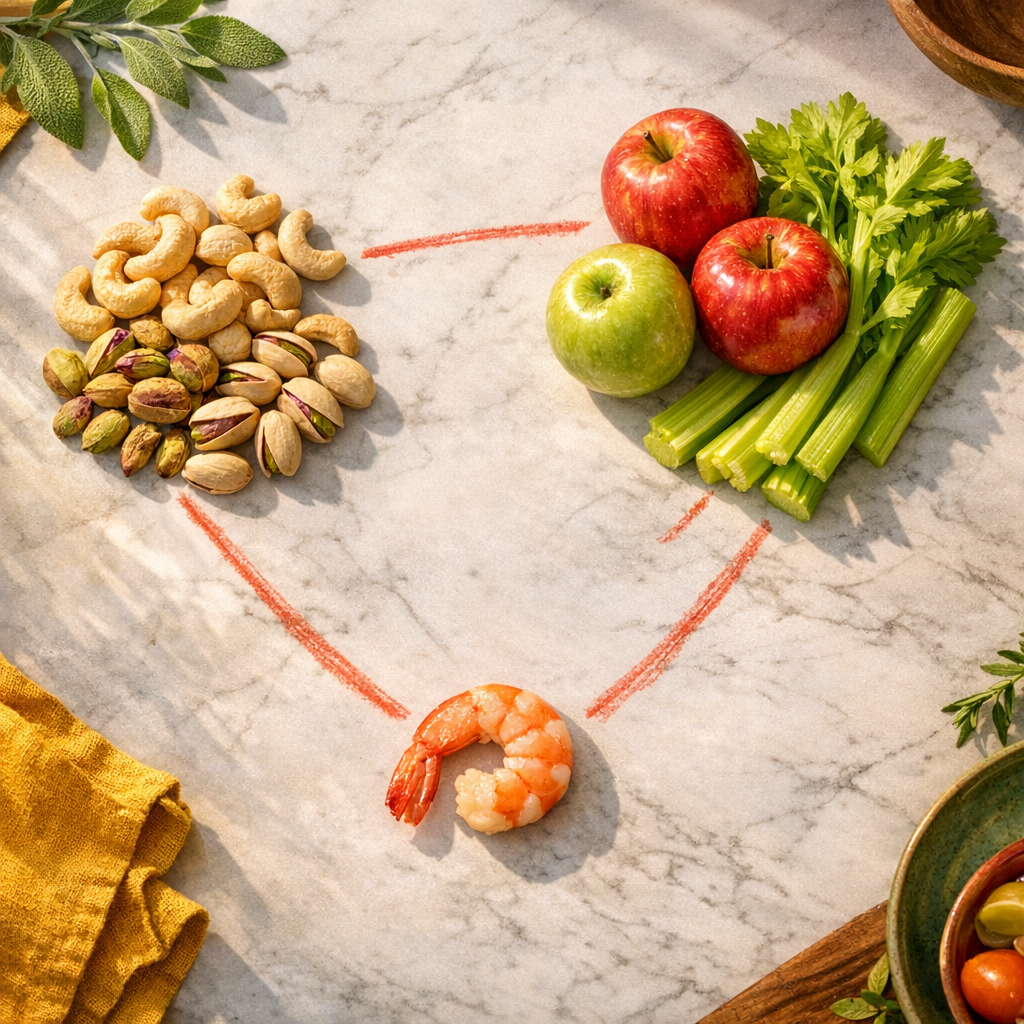
Cross-reactivity in food allergies refers to the phenomenon where an individual’s immune system, sensitized to proteins in one food, reacts similarly to proteins found in another, often botanically unrelated, food or even an inhalant allergen like pollen. This occurs because the allergenic proteins share structurally similar epitopes, which are the specific molecular sites recognized by immune cells, particularly immunoglobulin E (IgE) antibodies [1]. When these IgE antibodies bind to the similar epitopes on different proteins, they trigger an allergic reaction. Consequently, individuals with one known food allergy may experience symptoms when consuming other foods that contain these cross-reactive proteins. For instance, a person allergic to cashews might also react to pistachios, or someone with a birch pollen allergy might develop symptoms after eating apples or hazelnuts [2]. A comprehensive understanding of potential cross-reactivity is paramount for accurate diagnosis, effective dietary management, and the prevention of severe allergic reactions, significantly impacting the quality of life for those affected.
(Android version coming soon)
Key Takeaways
- Cross-reactivity is an immunological phenomenon where IgE antibodies recognize similar protein structures (epitopes) across different food sources or between food and environmental allergens.
- Common forms include Pollen-Food Allergy Syndrome (PFAS), tree nut cross-reactivity (e.g., cashew and pistachio), and shellfish cross-reactivity due to pan-allergens like tropomyosin.
- Accurate diagnosis, often utilizing advanced tools like component-resolved diagnostics (CRD), helps differentiate true sensitization from cross-reactivity, leading to more precise dietary recommendations [3].
- Effective management involves rigorous allergen avoidance, preparedness for allergic reactions (e.g., epinephrine auto-injectors), and potentially emerging immunotherapies to desensitize individuals.
- Understanding cross-reactivity is crucial for patient education, safe food preparation, and navigating social situations, thereby reducing anxiety and improving overall well-being.
Main Analysis
Want to check if your products contain hidden allergens or risky ingredients? Scan them instantly with the free MyGredient app.
Try MyGredient Free(Android coming soon)
Food allergies represent a significant global health challenge, with prevalence rates steadily rising across various populations. The complexity of these allergies is profoundly exacerbated by cross-reactivity, a phenomenon where the immune system, having developed an allergic response to one allergen, subsequently reacts to others due to shared protein structures [1]. This intricate immunological interplay necessitates a deep understanding for both healthcare professionals and allergic individuals to effectively manage dietary exposures and prevent life-threatening reactions.
Immunological Basis of Cross-Reactivity
At the core of cross-reactivity lies the specific recognition by immunoglobulin E (IgE) antibodies. When an allergic individual is exposed to an allergen, their immune system produces IgE antibodies specific to certain protein components, known as epitopes. If another food or substance contains proteins with highly similar epitopes, these pre-existing IgE antibodies can bind to them, triggering the same cascade of events that leads to an allergic reaction. This involves the cross-linking of IgE antibodies on the surface of mast cells and basophils, leading to the release of inflammatory mediators like histamine, leukotrienes, and prostaglandins, which manifest as symptoms ranging from mild oral itching to severe anaphylaxis [4].
Pan-allergens are a key factor in many cross-reactive allergic syndromes. These are highly conserved proteins found across a wide variety of plant and animal species. Examples include profilins, which are actin-binding proteins found in many pollens and plant-derived foods; lipid transfer proteins (LTPs), robust plant proteins associated with severe reactions; and tropomyosin, a muscle protein responsible for cross-reactivity among various shellfish and mites [5]. The stability of these pan-allergens to heat and digestion often dictates the severity of the allergic reaction, with stable allergens like LTPs causing systemic reactions, while heat-labile ones (like many associated with Pollen-Food Allergy Syndrome) often cause localized oral symptoms [6].
Want a smarter way to scan food and cosmetic ingredients that’s personalized to your needs? download MyGredient app and scan products in seconds.
Common Cross-Reactive Syndromes
Several well-documented cross-reactive syndromes illustrate this phenomenon:
- Pollen-Food Allergy Syndrome (PFAS) / Oral Allergy Syndrome (OAS): This is perhaps the most common form of food-related cross-reactivity, affecting individuals primarily allergic to tree pollens (e.g., birch, alder), weed pollens (e.g., ragweed, mugwort), or grass pollens [7].
- Birch Pollen: Individuals allergic to Bet v 1, the major allergen in birch pollen, often react to fruits (apples, cherries, peaches, kiwi), vegetables (carrots, celery, potato), and nuts (hazelnuts, almonds) due to cross-reactive proteins like Mal d 1 in apples and Pru p 1 in peaches [8]. Symptoms are typically confined to the mouth and throat (oral itching, tingling) because the allergens are heat-labile and quickly denatured by digestion.
- Ragweed Pollen: Sensitization to ragweed pollen can lead to reactions to melons (watermelon, cantaloupe), bananas, and zucchini.
- Mugwort Pollen: Allergies to mugwort pollen are often associated with reactions to celery, carrots, spices (e.g., cumin, coriander), and mustard.

- Latex-Fruit Syndrome: This syndrome involves cross-reactivity between natural rubber latex and certain plant-derived foods, including avocado, banana, kiwi, chestnut, and passion fruit. This is primarily due to shared IgE-binding epitopes, particularly chitinases and profilins, in these diverse sources [9]. Reactions can range from OAS symptoms to more severe systemic responses.
- Nut Cross-Reactivity:
- Tree Nuts: Significant cross-reactivity exists among various tree nuts (e.g., cashew and pistachio; walnut and pecan; almond and hazelnut). This is attributed to homologous storage proteins and lipid transfer proteins. For instance, a person allergic to cashews may need to avoid pistachios due to shared protein structures [10].
- Peanuts and Legumes: While peanuts are botanically legumes, cross-reactivity with other legumes (e.g., soy, peas, lentils, beans) is less common than often perceived. However, individual cases of co-allergy or cross-reactivity can occur due to shared vicilins and legumins, requiring careful evaluation [2].
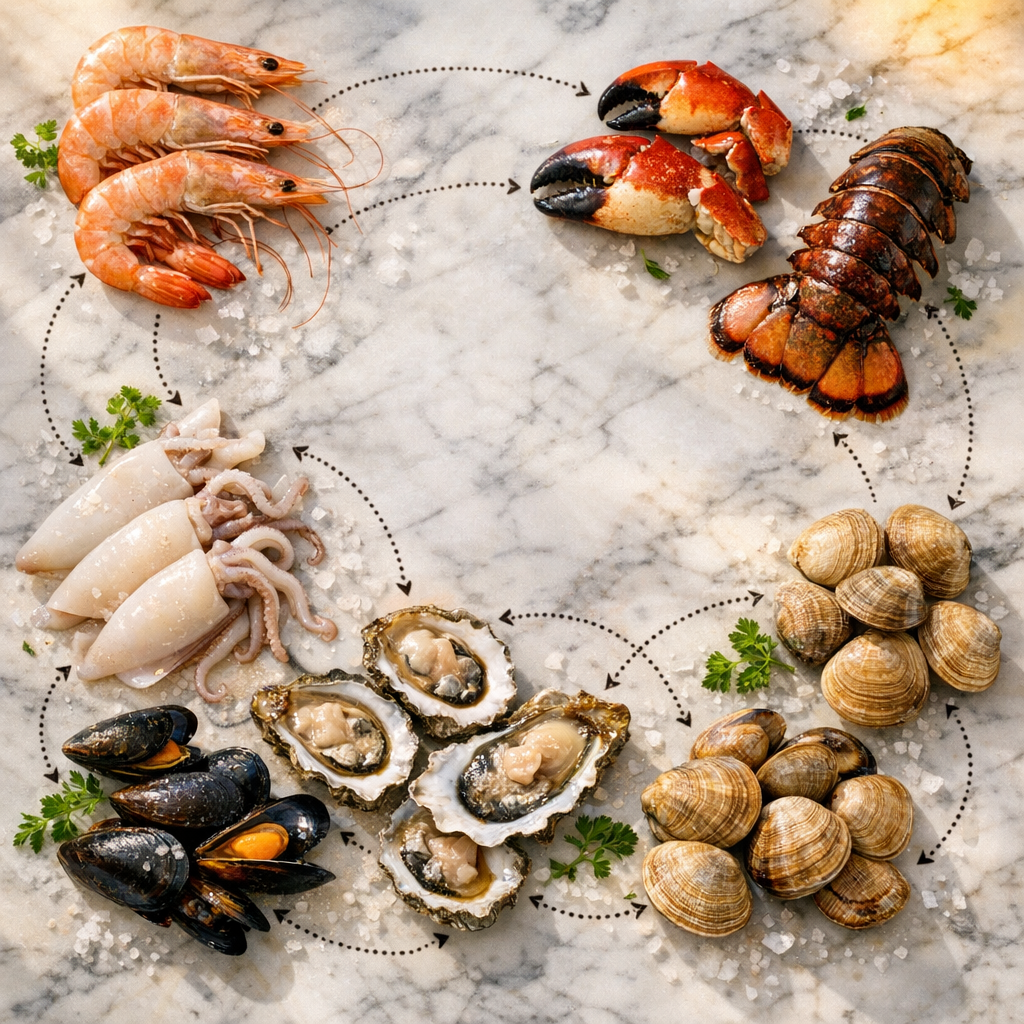
- Shellfish Cross-Reactivity: Tropomyosin, a highly conserved muscle protein, is the major pan-allergen responsible for extensive cross-reactivity among different crustaceans (shrimp, crab, lobster) and mollusks (clams, mussels, oysters, squid). This means an allergy to one type of shellfish often necessitates avoidance of all shellfish [5]. Cross-reactivity can also occur with dust mites due to shared tropomyosin allergens [5].
- Bird-Egg Syndrome: This rare but distinct syndrome involves sensitization to avian serum albumin found in bird dander (e.g., parakeets, canaries) and subsequent allergic reactions to egg yolk (containing the same serum albumin, alpha-livetin) and sometimes poultry meat [2].
Diagnostic Challenges and Advancements
Diagnosing cross-reactive allergies can be challenging. Traditional allergy tests, such as skin prick tests and whole allergen-specific IgE blood tests, can show positive results for multiple foods, making it difficult to differentiate between genuine co-sensitization and mere cross-reactivity that may not be clinically relevant [11]. For example, a positive test to both birch pollen and apple might not mean a severe apple allergy if the individual only experiences mild oral symptoms.
Component-Resolved Diagnostics (CRD) has revolutionized allergy diagnosis by identifying IgE antibodies to specific allergenic protein components rather than whole allergen extracts [3]. For PFAS, CRD can distinguish between sensitization to heat-labile Bet v 1 homologues (associated with mild OAS) and heat-stable storage proteins or LTPs (associated with more severe, systemic reactions). This precision allows allergists to provide more accurate risk assessments and personalized dietary advice, potentially reducing unnecessary food avoidance and improving patient quality of life [12].
Management and Impact on Quality of Life
The primary management strategy for diagnosed cross-reactive food allergies, like all food allergies, is strict avoidance of the implicated allergens. This requires careful label reading, awareness of cross-contact risks in food preparation, and clear communication in social settings and restaurants [10]. Individuals with a history of systemic reactions must carry emergency medication, typically an epinephrine auto-injector, and have a clear action plan for accidental exposures. Education on the safe and timely use of epinephrine is critical [13].
Living with cross-reactive food allergies can significantly impact an individual’s quality of life. The need to scrutinize food labels, avoid certain restaurants, and manage potential allergic reactions can lead to chronic anxiety, social isolation, and a reduced sense of security. The psychological burden extends to family members, who often share in the responsibility of allergen avoidance and emergency preparedness [7]. The same close reading of ingredient labels also matters when assessing ultra-processed foods and additive-heavy products, where long formulations can make potential triggers harder to spot.
For some people, ingredient vigilance extends beyond food itself to the products they use on their skin. Questions about whether a common emollient is risky or simply misunderstood often overlap with broader concerns about hidden triggers, which is why it helps to understand whether mineral oil in skincare is actually safe.
Research into immunotherapy offers hope for reducing the burden of food allergies. Oral immunotherapy (OIT) involves ingesting gradually increasing doses of an allergen to desensitize the immune system, but it is currently limited to specific food allergies and is often associated with adverse reactions [14]. Sublingual immunotherapy (SLIT) and epicutaneous immunotherapy (EPIT) are also under investigation. Future research may focus on multi-allergen immunotherapies or strategies specifically targeting cross-reactive pan-allergens to provide broader protection [15].
If you want a quicker, more personalized way to check food and cosmetic ingredients while you shop, download MyGredient app for a fast ingredient scan.
FAQ
What is cross-reactivity in food allergies?
Cross-reactivity in food allergies occurs when your immune system reacts to similar proteins found in different foods, or between foods and environmental allergens like pollen. This happens because the IgE antibodies, which are responsible for allergic reactions, recognize similar molecular structures (epitopes) present in various substances, treating them all as the same allergen. For example, if you are allergic to birch pollen, you might also react to apples because both contain similar proteins.
How can I identify if I’m at risk for cross-reactive food allergies?
Identifying your risk involves consulting an allergist who will take a detailed medical history, including any seasonal allergies you might have. Diagnostic tests, such as skin prick tests and specific IgE blood tests, can help detect sensitization. More advanced component-resolved diagnostics (CRD) are particularly useful for cross-reactivity, as they can identify specific protein components that trigger your reactions, helping to distinguish between a true allergy and a clinically insignificant cross-reaction. Your allergist will interpret these results in the context of your symptoms.
Are cross-reactive food allergies treatable?
While there is no definitive cure for most food allergies, cross-reactive allergies can be effectively managed. The primary treatment is strict avoidance of the identified allergens. This involves careful label reading, awareness of cross-contact, and having an emergency action plan, including carrying an epinephrine auto-injector, if you are at risk for severe reactions. For some allergies, particularly those linked to pollen (like Pollen-Food Allergy Syndrome), cooking or processing the food can denature the allergens, making them safer to consume. Emerging treatments like oral immunotherapy (OIT) are being developed for specific food allergies, but these are generally administered under strict medical supervision.
Do certain foods inherently have more cross-reactivity than others?
Yes, certain food groups and environmental allergens are more prone to cross-reactivity due to the presence of highly conserved “pan-allergens.” For instance, fruits and vegetables often cross-react with pollens (e.g., birch pollen with apples, hazelnuts, carrots). Tree nuts frequently show cross-reactivity among themselves (e.g., cashews and pistachios). Shellfish, particularly crustaceans, also exhibit high rates of cross-reactivity because of shared muscle proteins like tropomyosin. The stability and ubiquity of these pan-allergens contribute to their widespread cross-reactive potential.
For a simple way to check food and cosmetic ingredients before you buy, download MyGredient app and scan in real time.
Can children outgrow cross-reactive food allergies?
Whether a child outgrows cross-reactive food allergies depends on the specific allergens involved and the nature of the cross-reactivity. Allergies to fruits and vegetables associated with Pollen-Food Allergy Syndrome (PFAS) are often mild and can fluctuate, but rarely truly disappear, though the severity might lessen with age. However, allergies to stable allergens like those found in tree nuts or shellfish are generally more persistent and less likely to be outgrown. Regular follow-ups with an allergist, including repeat testing, can help monitor the status of a child’s allergies and provide guidance on potential dietary reintroductions or ongoing avoidance strategies.
(Android version coming soon)
References
- Clinical Relevance of Cross-Reactivity in Food Allergy (Cox et al., 2021)
- A systematic review of allergen cross-reactivity (2024)
- Pistachio Allergy: Integrating Molecular Diagnostics and Clinical Phenotypes.
- On the role of antibody affinity and avidity in the IgE-mediated allergic response.
- Tropomyosin-based cross-reactivity and asymptomatic shellfish sensitization (2025)
- Component-Resolved Diagnosis in Food Allergies (Calamelli et al., 2019)
- Birch Pollen-Related Food Allergy: Occasionally Severe, Yet Home-Based OFCs Safe (2026)
- Oral allergy syndrome in birch pollen sensitized patients (2022)
- The gut microbiome and cross-reactivity of food allergens (2025) — covers molecular mimicry and shared epitopes
- Patterns and Prevalence of Food Allergen Cross-Reactivity (2025)
- Diagnostic accuracy and cost-effectiveness of CRD for food allergy (Flores Kim et al., 2018)
- Precision allergy molecular diagnosis applications in food allergy (2024)
- Identifying thresholds of reaction for different foods (2024) — covers emergency management
- Omalizumab: First Approved Anti-IgE Therapy for Multiple Food Allergies.
- Effect of Pollen-Specific Sublingual Immunotherapy on Oral Allergy Syndrome (Bergmann et al., 2008/PMC)
Written by the MyGredient Research Team
Our team researches ingredient safety, food labelling regulations, and skincare science to help consumers make informed choices. Every article is fact-checked against peer-reviewed sources and regulatory guidance.
🔬 Evidence-Based | 📚 Peer-Reviewed Sources | 📅 Updated March 2026
Medical Disclaimer: This content is for informational purposes only and does not constitute medical advice. Consult a qualified healthcare professional for personalised guidance. If you experience adverse reactions to any product, seek medical attention.